


For many drinkers, the real addiction is not the alcohol itself—it’s the need to stay in control. Addiction to alcohol has grown to become a growing problem internationally, including in Pakistan where alcohol consumption is legally prohibited. While alcohol consumption does occur in Pakistan; however, it is very restricted and may be limited to specific individuals in cities that allow for it or certain cultural celebrations.
Due to the fact that the legislates alcohol and places many restrictions on its use, it has created an environment where those who do drink typically have to hide their consumption from others, adding to its dangers.
NA Pakistan provides a safe, confidential, and supportive environment for those struggling with addiction, helping them recover through meetings and recovery literature without fear of judgment or exposure.
In this blog, we will discuss the main obsession of abnormal drinkers and how addiction affects their lives in Pakistan.
Understanding the Abnormal Drinker
An abnormal drinker is not defined by how often or how much they drink. Instead, it is defined by how alcohol affects their thinking and behavior.
An abnormal drinker may:
- Promise to stop but fail repeatedly
- Drink to change how they feel
- Think constantly about alcohol
- Lose control once drinking starts
- Continue drinking despite negative consequences
At the core of all these behaviors lies one powerful belief:
How Addiction Takes Control of an Abnormal Drinker’s Life
When an individual has become an abnormal drinker, the consumption of alcohol goes from being a choice to becoming a necessity; addiction takes over and begins to shape an individual’s life and way of thinking. By creating a method of control, an abnormal drinker will place all aspects of their lives under the control of their addiction.
The need to be in control and to protect oneself from exposure is the primary motivation for abnormal drinkers, and that drive is much stronger in Pakistan due to increased societal expectations, religious restrictions and limited access to legal resources when consuming alcohol. The fear of discovery increases the need for an abnormal drinker to be in complete control of all aspects of alcohol consumption.
The Greatest Obsession: Control
For an abnormal drinker, control becomes the most important thing in life. They think they can manage their drinking, but alcohol slowly takes control of them.
Control Over Quantity
Many drinkers think:
- “I will drink only two bottles.
- “I will stop after this weekend.
- “I will drink only at parties.
But once they start drinking, they cannot stop. The brain becomes dependent, and the body asks for more.
Obsession With Consequences
Another obsession is avoiding consequences while continuing to drink.
The abnormal drinker becomes skilled at:
- Hiding drinking
- Making excuses
- Blaming stress or people
- Minimizing damage
- Promising change without action
The goal is not sobriety—it is drinking without paying the price.
Over time, consequences increase, and avoiding them becomes exhausting and stressful.
Obsession With Image
Abnormal drinkers care deeply about how others see them.
They may think:
- “I’m not like real alcoholics.”
- “I still have a job.”
- “I don’t drink every day.”
- “I’ve never hit rock bottom.”
They compare themselves to others to feel safe. As long as someone else looks worse, they believe they are fine.
But protecting this image often requires secrecy, lies, and emotional distance—leading to isolation and fear.
Why Control Is Not Possible
Many abnormal drinkers believe they can control alcohol. But alcohol addiction is not only physical; it is mental.
In Pakistan, the mental obsession becomes stronger because:
- Drinking is hidden
- There is no open support
- People cannot discuss addiction freely
- Alcohol is linked to shame
The Mental Obsession
The most painful part of addiction is not the drinking itself—it is the constant mental thinking.
A drinker thinks:
- When will I drink next?
- How can I hide it?
- How can I manage stress without drinking?
- Why do I feel weak?
- What if my family finds out?
This mental obsession destroys peace of mind and affects relationships, work, and health.
Fear Beneath the Obsession
Underneath the obsession with control lies fear.
Fear of:
- Life without alcohol
- Facing emotions honestly
- Admitting loss of control
- Being judged
- Feeling empty
Alcohol becomes emotional protection. Letting go feels frightening, even when drinking causes pain.
When Control Finally Breaks
Many abnormal drinkers reach a point were trying to control drinking becomes unbearable.
This often follows:
- Repeated broken promises
- Relationship damage
- Health scares
- Emotional exhaustion
Though painful, this moment often becomes the beginning of real change.
Why Many Abnormal Drinkers Avoid Help
In Pakistan, most people avoid treatment because:
- They are afraid of being judged
- They fear legal consequences
- They worry about family honor
- They don’t know where to get help
- There are limited rehabilitation centers
This is why Drug addiction becomes worse and more dangerous.
How Addiction Affects Family and Society
Alcohol addiction does not only affect the drinker. It affects the entire family:
- Spouse suffers emotionally
- Children feel insecure
- Family income decreases
- Arguments and violence increase
- Trust disappears
In Pakistan, family reputation is important, so families often hide the problem instead of getting help. This silence causes more harm.
The Path to Recovery
Recovery is possible, but it requires honesty and family support The first step is admitting the problem.
Here are practical steps for recovery in Pakistan:
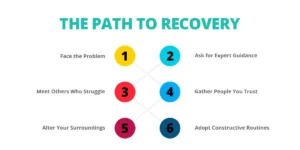
Face the Problem
You must first acknowledge that alcohol has taken control.
Ask for Expert Guidance
Therapists and inpatient or outpatient clinics exist for this exact purpose.
Meet Others Who Struggle
Groups like Alcoholics Anonymous let members tell their stories plus draw strength from one another.
Gather People You Trust
Partners, siblings and reliable friends need to offer steady praise but also refuse to criticize.
Alter Your Surroundings
Stay away from bars, parties and acquaintances who urge you to drink.
Adopt Constructive Routines
Regular workouts, quiet reflection as well as absorbing pastimes fill the hours once lost to alcohol.
FAQs
What is an abnormal drinker?
An abnormal drinker is someone who cannot control drinking and uses alcohol to escape emotions or stress.
Is alcohol addiction common in Pakistan?
Yes, alcohol addiction exists in Pakistan, but many people hide it due to social stigma.
Can an abnormal drinker recover?
Yes, recovery is possible with support, therapy, and strong determination.
How can families help?
Families can support without judging, encourage professional help, and create a safe environment.
What is the first step toward recovery?
The first step is admitting the problem and seeking help.
Conclusion
The main obsession of people who drink lightly is the belief that they can handle, limit, or master alcohol. This belief keeps the drinking cycle going for a long time and blocks any chance of getting better. Real freedom begins only when the need to control alcohol is dropped and replaced with complete honesty. NA Pakistan provides a safe and supportive environment where people can find honesty, support, and true recovery without fear of judgment or exposure