


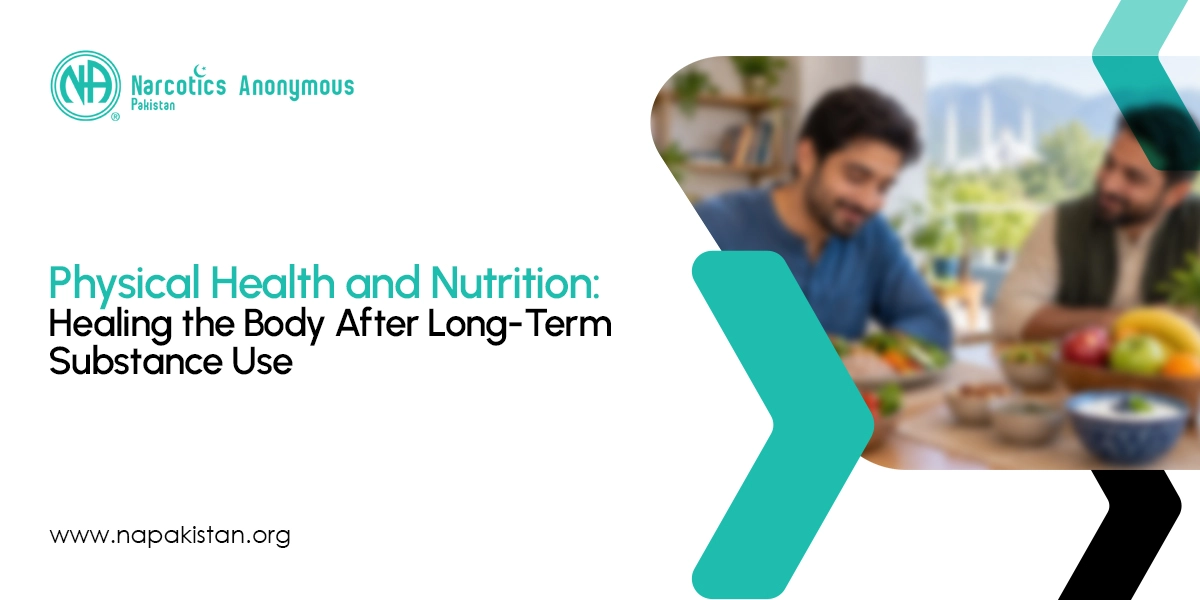
A few weeks into recovery, a lot of people say the same thing. “I thought I’d feel better by now.” And honestly, it’s a fair thing to think. You’ve done the hardest part, you stopped. So why does your body still feel like it’s running on a dying battery?
Because years of heavy use leave a mark, and that mark doesn’t vanish on day thirty. The good news is that bodies are stubborn in the best way. Give them food, water, sleep and some time, and they start fixing things on their own.
What the Years Quietly Took
Substance use almost never hurts just one part of you. The liver takes a hit, and so do the heart, stomach, lungs and immune system. Then there’s the eating. Plenty of people in active addiction go days on chai and cigarettes, since the drug has switched off the hunger signal completely.
By the time someone turns up at their first NA Pak meeting, they’re often exhausted, catching every cold going, and dealing with sore muscles, bad teeth and dull skin. Sleep is a wreck too. Some drugs keep you awake for days, others leave you foggy, and after a while your body forgets what a normal day even looks like.
- Is it permanent? Not by default. Your body is just starting from a low point, that’s all. It needs time.
- Start With the Boring Stuff.
- Skip the fancy diet charts for now. Three small habits matter more.
Water. When you’re dehydrated, headaches, irritability and tiredness all get worse, and those are exactly the moods that make a craving louder. Keep a bottle close. Nimbu pani, plain lassi and coconut water count too.
Meals on a clock. Your appetite might not be reliable yet, so don’t wait for it. Eat at fixed times even if you’re not hungry. Three modest meals and a snack or two will lift your mood more than you’d guess.
Sleep. Go to bed and get up at about the same time every day. Drop the strong chai after lunch. If sleep stays patchy for a few weeks, don’t panic, because that’s very common and it does settle down.
Eating Well Without Spending Much
You don’t need anything imported or trendy. A normal Pakistani kitchen already has most of what you need.
Protein helps the body rebuild, so think eggs, daal, chana, rajma, chicken and dahi. Roti made from whole wheat atta and brown rice release energy slowly, unlike biscuits and soft drinks, which spike you up and then drop you flat. Fruit and vegetables bring back the vitamins you’ve likely been short on for years: spinach, carrots, bananas, oranges, guavas, whatever is in season at the sabzi mandi.
Add a handful of almonds or walnuts, or a spoon of desi ghee, for the fats your brain uses. Dahi and homemade lassi are gentle on a stomach that’s been through a lot.
One thing worth knowing: if you’ve barely eaten for months, don’t jump straight to big, heavy meals. Smaller portions, a bit more often, will sit better.
The Sugar and Chai Problem
Nobody warns you about this one. In early recovery, many people suddenly want sweets all day, drink ten cups of chai, or smoke more than ever. It’s really common, so there’s no reason to feel guilty. Your brain misses its old reward and grabs the nearest substitute, which is usually sugar, caffeine or nicotine.
A little of that is okay while you find your feet. It becomes a problem when it takes over. Too much sugar means crashes and mood swings. Too much caffeine feeds anxiety and ruins your sleep. Keep dates, roasted chana, fruit or nuts where you can reach them, so the better choice is also the lazy one. And once you feel steadier, talk to a doctor about help with smoking.
Move, But Don’t Overdo It
Nobody’s asking you to sign up for a gym. A twenty-minute walk after dinner is a good start. So is stretching when you wake up, or a short bicycle ride.
Moving helps you sleep, lifts your mood, and gives restless energy somewhere to go. Build up slowly though. A body that’s been under strain for years has to be eased back into activity.
Please See a Doctor
Willpower counts for a lot, but it can’t replace a doctor. Withdrawal from some substances, alcohol and certain prescription drugs especially, can be dangerous. Don’t try to get through it alone at home. Get professional guidance first.
Even after the early days, a general check-up is worth the trouble. A doctor can check your liver, look for infections and anaemia, test for vitamin deficiencies, and tell you whether you really need supplements or whether good food will do. Teeth and eyes deserve a look too, since they tend to get ignored for years.
Your Body Has Its Own Schedule
Some people feel stronger in a few weeks. For others it takes months. Some mornings you’ll wake up feeling light and hopeful, and on others you’ll feel flat for no reason at all. Almost everyone goes through both.
This is where “Just for Today” becomes practical. You don’t have to repair your whole body this month. Today, drink enough water, eat a proper meal, take a short walk, and get to bed on time. Tomorrow, do it again. One day you’ll notice your skin looks better, your stomach is calmer, and you still have energy left in the evening.
You Don’t Have to Do This Alone
Looking after your body gets easier when the people around you understand what you’re going through. At Narcotics Anonymous Pakistan, you’ll meet people who’ve been exactly where you are. There are no fees and no complicated forms. The only requirement is a desire to stop using.
If you or someone you love is struggling, come to a meeting and just listen. Take it one day at a time. Your body has already started healing, so give it the care it deserves, starting today.
Conclusion
Healing after long-term substance use doesn’t happen in one dramatic moment. It happens in ordinary ones: a glass of water, a plate of daal and roti, a walk after dinner, a night of proper sleep. None of it looks impressive on its own, but together it gives your body the chance it has been waiting for.
Be patient with the slow days, see a doctor when you need to, and don’t try to do it all at once. Your body has carried you through a lot already, so treat it kindly. Start with today, and let tomorrow take care of itself.