


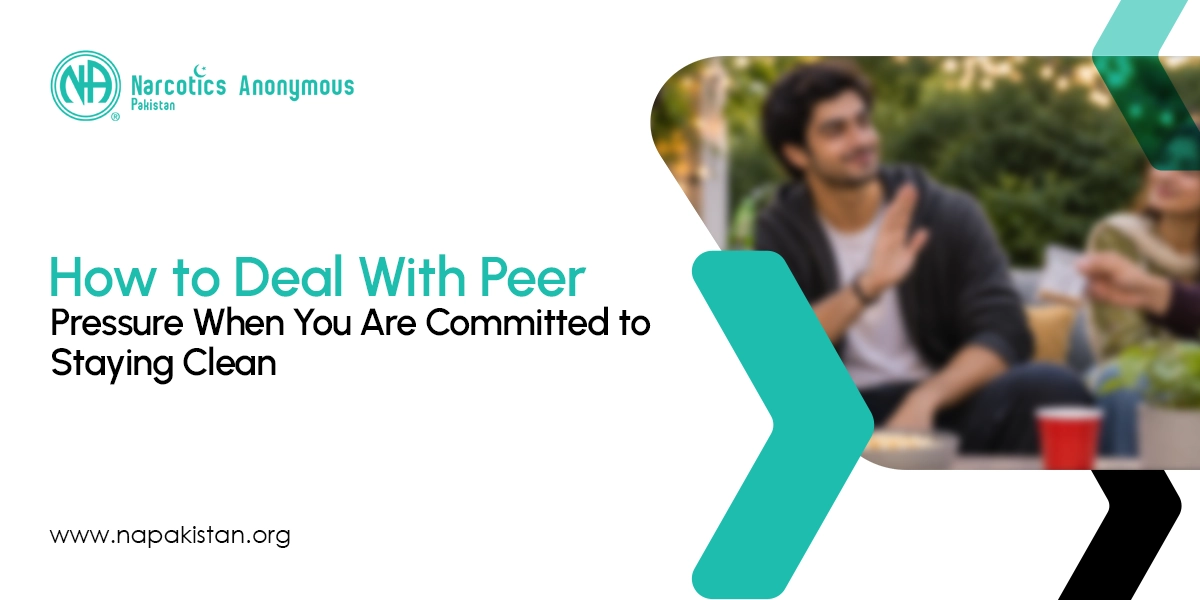
You have made the choice to stay clean. That was a step. Recovery does not happen in a room. Recovery happens at weddings, at work, at the tea stall, and in family gatherings. Sometimes someone offers you a drink or a drug.
Dealing with peer pressure when you are committed to staying clean is a skill. Like any skill, you can learn it. This blog shares steps that many people in recovery find useful.
What Peer Pressure Looks Like in Recovery
Peer pressure is not always loud. Often it is quiet and friendly. Peer pressure can sound like, “One time nothing will happen, or you have been clean for so long you can handle it now.” Sometimes peer pressure sounds like a joke: Do not be boring; sit with us.
Sometimes there are no words at all. A friend simply lights up. Passes something around, and you feel the pull. Peer pressure can be just as strong as an offer.
Know Your Triggers Before They Find You
You can’t avoid every hard moment, but you can prepare for many of them. Take a few minutes to write down the people who make you feel tempted and the places that remind you of using. Note the times of day that feel risky, like late nights, weekends, or payday.
Also write down the feelings that push you toward old habits, such as stress, anger, or loneliness. Once you know your triggers, you can plan around them. A plan is your first line of defense.
Practical Ways to Say No
Saying no feels hard at first. It gets easier with practice.
Keep It Short and Firm
You do not owe anyone a long explanation. A calm, clear answer is enough. You can say, “No, thanks, I don’t use anymore, or not for me; I’m in recovery. Say it once, look the person in the eye, and change the topic. Long explanations only invite arguments.
Have a Reason Ready
Some days you may not want to share your story, and that’s okay. A simple line can close the conversation. You might say, “I have an early morning tomorrow,” or “I promised my family I’d be home.”
Honesty is best when you feel safe. But protecting your recovery matters more than explaining yourself.
Hold Your Ground Without a Fight
If someone keeps pushing, you don’t need to argue. Repeat your answer in the same calm voice. If they still push, leave. Walking away is not rude. It is self-care. A real friend will respect your no.
Plan an Exit Before You Go
Before you attend any event, think about how you will leave. Go with a person who supports your recovery if you can. Arrange your own transport so you are free to step out anytime.
Keep your phone charged and your sponsor’s number saved. Decide in advance how long you will stay. Many people in recovery say this one habit saved them. Leaving early is a smart choice, not a failure.
Handling Pressure From Family and Relatives
In Pakistan, family pressure can be strong. An uncle may say, “Arre, ek cigarette se kya hota hai?” A cousin may joke about your past. Some relatives may doubt your recovery.
This is painful, but you can handle it with calm boundaries. Tell one trusted family member what you need and let them speak up for you. Ask relatives kindly but clearly not to offer you anything harmful.
If a gathering feels unsafe, skip it, at least in early recovery. Remember that their words show their understanding, not your worth. Over time, many families change when they see steady effort. Your clean time speaks louder than any argument.
Change Your Circle, Not Just Your Habits
This part is hard, but it matters. If your friends only meet around using, those friendships may put your recovery at risk.
You don’t have to hate anyone. You just need some distance for now. Spend more time with people who support you, like family members who understand, friends who don’t use, or people you meet in recovery.
Meetings help here. In NA Pak meetings, you sit with people who know exactly how this feels. You don’t have to explain yourself. You can ask how they handled the same pressure. You may leave with a new friend and a new idea.
Lean on Your Support System
You are not meant to do this alone. Reach out early, before the pressure becomes too heavy. Call your sponsor or a trusted member from your meetings. Talk to someone right after a hard moment instead of waiting.
During a tough week, go to an extra meeting. Share what happened. Saying it out loud takes away its power. Asking for help is not weakness. It is one of the strongest things a person in recovery can do.
Fill Your Time With Things That Matter
Empty time is risky time. When your day has structure, there is less space for pressure to creep in.
Build a routine that includes regular meetings, a daily walk or exercise, and work or study. Add time with family and some quiet time for prayer or reflection, whatever brings you peace. A full life gives you reasons to say no. Each good day adds to your clean time and your confidence.
Remember Why You Started
On hard days, go back to your reason. Maybe it’s your mother’s face, your children, your health, or your self-respect. Write it down and keep it where you can see it.
Think about how far you’ve come. Think about what you could lose. One moment of pressure is short. The cost of giving in can last much longer.
What If You Slip?
Some people slip, even after doing everything right. If it happens, don’t hide in shame. Shame keeps people stuck. Tell your sponsor or someone you trust. Go back to a meeting as soon as you can. A slip is a signal that you need more support, not proof that recovery is impossible. Many people begin again and stay clean.
Final Thoughts
Peer pressure will not always go away. But your ability to handle it will grow. Know your triggers, keep your answers simple, plan your exits, and stay close to people who support you.
You don’t have to be perfect. You just have to keep choosing recovery, one day at a time.
If you are struggling right now, please reach out to someone you trust or visit a meeting near you. You are not alone, and help is closer than you think.