


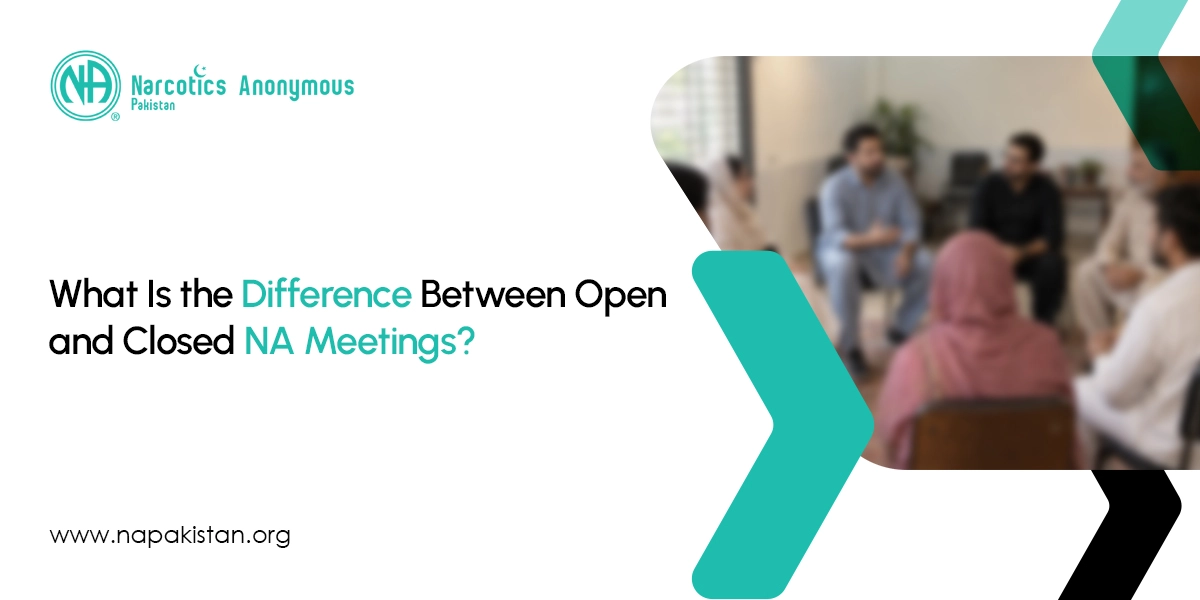
For people struggling with addiction, life can be an isolated road, particularly in Pakistan, where social stigma, cultural norms and societal pressures often prevent people from seeking help.
Many families and individuals in local communities throughout major cities like Karachi, Lahore, Islamabad, Rawalpindi and Peshawar quietly struggle. This silence is often due to a simple lack of knowledge of where to find compassionate, non-judgmental, community-based support.
Community-based support groups like Narcotics Anonymous offer a safe, structured and compassionate environment for individuals to bond with peers who have lived experience of the physical, mental and emotional burden of addiction.
These peer-led groups are instrumental in instilling hope, building resilience and facilitating long-term recovery, and do so without requiring large financial resources, medical referrals or public visibility.
One of the first structural elements you will notice when investigating how these support groups function is that meetings are divided into two separate operational categories: open meetings and closed meetings.
Understanding the exact purpose, guidelines, and benefits of each format empowers individuals, as well as their loved ones, to choose the right environment for their personal comfort and unique needs.
What Is an Open NA Meeting?
An open session is a regular NA Pak meeting that is found at the same location and time as a closed meeting but is open to the public. Along all of that goes anyone who would like to find out more about the 12-step approach, watch how community-based peer support is offered, or lend their support to a loved one.
In Pakistani society, where family support and group decisions are integral part of daily living, open meetings act as a platform for collective learning.
They If have relatives who are addicts, or addicts themselves, can get first-hand insight into what a family member is going through. Family members who attend family day can learn how to be sources of positive support, emotional stability and practical help for their loved one at home, instead of responding with frustration, anger or misunderstanding, as so many do.
Core Features of Open Sessions:
- Attended by many people: Open for public, friends, health practitioners, students, and those willing to engage in peer help in the community.
- Open Meetings really help to build the community and address issues related to addiction, break down stereotypes, and just generally help people.
- Context with interesting features When family and visitors can take part in Open Sessions, the focus remains firmly on the sessions’ members and their daily concerns.
- Typically, visitors are silent and allowed to listen while members share their stories of recovery from adversity.
What Is a Closed NA Meeting?
A person’s first meeting should always be at a closed meeting. Why? Because you have a serious drug problem and you think you either have, or might be headed toward, an addiction. Journalists, researchers, students, healthcare watchers, family members, and well-intentioned friends are not allowed to be part of these private meetings. Privacy and societal norms are two critical factors preventing people from getting help in Pakistan.
There are many cultural inhibitions surrounding social chit-chat and potential consequences on employment, family name, or the way one is viewed in the community that act as barriers against people being vocal about their Inner struggles.
They said closed meetings of NA sensitized them and brought about a better understanding of addiction and recovery. Closed meetings break down this huge stumbling block by providing a safe, confidential space in which everyone feels comfortable to share, as everyone in the room is quietly carrying their own stories of experience.
Core Features of Closed Sessions:
- Strict Member-Only Access: Only those who are personally struggling with addiction are allowed to participate, which helps create an environment of mutual trust.
- Unfiltered Expression: Participants can be refreshingly honest about their daily cravings, emotional pressures, past mistakes, and achievements without fear of others’ judgment.
- High Anonymity & Trust: Fully protects privacy of each person, making it a safe place for newcomers to gain confidence and commit to their recovery for the long term.
Key Differences Between Open and Closed Meetings
Understanding how these formats compare directly helps individuals decide which setting aligns best with their current stage of life:
| Aspect | Open NA Meetings | Closed NA Meetings |
| Target Audience | Open to the general public, addicts, families, and observers | Strictly restricted to individuals struggling with addiction |
| Primary Objective | Education, building family support, and community awareness | Deep personal sharing, peer bonding, and mutual accountability |
| Who Can Share? | Speaking is generally prioritized for members; guests listen | Every person present is eligible and encouraged to share |
| Family Participation | Relatives are welcome to attend and sit alongside members | Family members are strictly not permitted into the meeting room |
| Privacy Dynamics | Standard fellowship anonymity guidelines apply | Maximum confidentiality maintained solely among peers |
Why Both Meeting Formats Are Essential in the Pakistani Context
In Pakistan, discussing personal, emotional, or behavioral challenges publicly remains a cultural taboo. Consequently, having access to both meeting formats provides individuals and families with a flexible, compassionate pathway toward personal growth.
Easing the Transition for Newcomers
For someone taking their very first step toward addressing addiction, walking into a support group alone can feel daunting. An open meeting allows a newcomer to bring a trusted sibling, parent, or friend for moral support.
Having a familiar face nearby reduces initial anxiety and helps demystify the meeting structure. Once the individual feels secure and decides to commit further to their recovery, they often transition into closed meetings where they can engage in deeper, more confidential peer interactions.
Healing the Family Unit
Addiction rarely affects just one person; it places an enormous emotional and psychological strain on the entire household. In Pakistani households, parents and spouses often experience profound distress and confusion.
Open meetings serve as an informal educational platform where family members can learn that addiction is a manageable challenge rather than a moral failure. This realization helps families move away from blame and toward creating a supportive home environment.
Safe Spaces for Vulnerable Groups
Some groups within local society, such as women, young students and professionals, are more vulnerable in terms of social reputation. For these people, closed meetings are an irreplaceable refuge. The complete ban on outsiders ensures that their identity and personal narratives never leave the private space of the meeting room.
How to Determine Which Format Fits Your Current Journey
Deciding between an open or closed group depends entirely on what you hope to achieve during the session and your current level of comfort:
Select an Open Meeting if:
You are brand new to support groups and want to observe how a session functions before actively participating.
- You want a supportive family member, spouse, or friend to sit beside you for encouragement.
- You are a family member seeking to understand addiction and learn how to better support a loved one.
- You are a community observer or professional wishing to learn how peer-led recovery functions.
Select a Closed Meeting if:
Select for a Closed Meeting if You want absolute privacy, with no nonmembers or guests attending.
You are comfortable talking about your personal struggles, emotional issues and day-to-day progress openly.
You want a place where everyone in the room — without exception — directly knows addiction from the inside.
The Core Principles That Guide Both Formats
Regardless of whether a meeting is open or closed, several fundamental principles govern how Narcotics Anonymous groups operate globally and within Pakistan:
- Anonymity: Personal identities, professional backgrounds, and individual stories shared during sessions are kept strictly confidential. What is said in the room stays in the room.
- Equality: Peer groups operate without hierarchical titles. Every participant, whether attending their first meeting or celebrating years of continuous progress, is treated with equal dignity and respect.
- Self-Support: Meetings do not accept outside financial contributions, corporate sponsorships, or government grants. Groups sustain themselves purely through voluntary member contributions to cover basic operational expenses like tea and hall rental.
- Voluntary Participation: No one is ever forced to speak, share, or disclose personal details. Attendance and participation remain entirely at the discretion of the individual.
FAQs
Can non-addicts speak or share their stories during open meetings in Pakistan?
In almost all open meetings, active sharing time is strictly reserved for members who are personally navigating addiction. Guests, relatives, healthcare observers, and supportive friends attend primarily to listen, observe, learn, and offer silent moral support.
Is my identity fully protected when I attend a local meeting?
Anonymity is the paramount foundation of the fellowship. Group guidelines strictly forbid participants from sharing who attended or what was said outside the meeting room, ensuring complete privacy and peace of mind for all participants.
Can a parent, spouse, or friend accompany me to a closed meeting?
No, closed meetings are strictly reserved for individuals who personally struggle with addiction. If you feel hesitant about going alone and want a supportive family member or friend to accompany you, you should choose an open meeting instead.
How do I know if I am ready to transition from open to closed meetings?
The transition happens whenever you feel comfortable. Many individuals start by attending open sessions with a relative to get familiar with the format. Once they feel safe and wish to share their personal experiences more privately among peers, they begin attending closed meetings.
Moving Forward with Courage and Community
Taking the initial step to address addiction requires significant personal courage, but no one has to walk this path in isolation. Peer support networks across Pakistan offer the structure, empathy, and community connection necessary to build a balanced, fulfilling life. Whether you begin by observing an open meeting alongside a supportive family member or step directly into the confidential environment of a closed meeting, engaging with a dedicated community provides the vital strength needed for continuous personal growth and long-term recovery.
What specific information or local resources are you looking for next to help navigate NA Pak meetings in your area?